
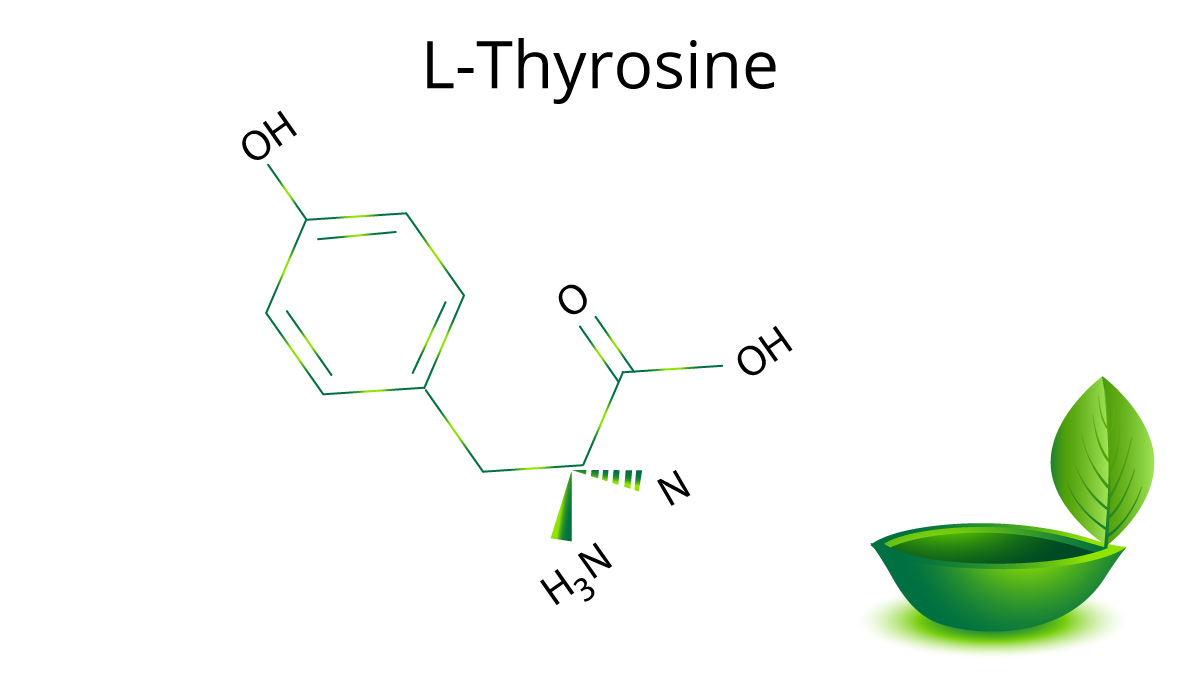
🧬 Can Tyrosine Improve Fertility? Insights from a Wistar Rat Study
🧭 Introduction
Fertility challenges linked to hormonal imbalance, particularly elevated prolactin levels (hyperprolactinemia), remain an important area of biomedical research. Drugs such as metoclopramide are known to induce hyperprolactinemia, which can negatively affect reproductive hormones like testosterone.
This experimental study explores whether tyrosine, an amino acid, could help restore hormonal balance and improve fertility markers in male albino Wistar rats.
🧪 Study Overview
To investigate this, researchers used 36 adult male Wistar rats, divided into six groups of six rats each:
- Group A: Control group (no treatment)
- Groups B–F: Induced with hyperprolactinemia using 10 mg/kg metoclopramide for 3 weeks
After the induction phase:
- Group C: Treated with 0.11 mg/kg bromocriptine (standard drug)
- Groups D, E, F: Treated with tyrosine at:
- 33 mg/kg
- 66 mg/kg
- 100 mg/kg
At the end of the experiment, all animals were sacrificed for biochemical analysis.
🧬 What Was Measured?
Researchers evaluated key reproductive hormones:
- Serum prolactin levels
- Serum testosterone levels
These markers are critical indicators of male fertility and reproductive health.
📊 Key Findings
The results showed a clear hormonal improvement in rats treated with tyrosine:
🌿 Tyrosine treatment effects:
- Reduced elevated prolactin levels
- Increased testosterone levels
- Improved overall fertility-related hormonal balance
💊 Comparison with bromocriptine:
Interestingly, tyrosine-treated groups showed comparable or even better improvements than the bromocriptine-treated group, which is a standard treatment for hyperprolactinemia.
🧠 What This Means
The study suggests that tyrosine may play a beneficial role in restoring reproductive hormone balance after drug-induced hormonal disruption.
In simpler terms:
👉 Tyrosine helped reverse fertility-related hormonal changes caused by metoclopramide exposure in rats.
⚠️ Important Context
While these results are promising, it is important to note:
- This is an animal study (Wistar rats)
- Human physiology may respond differently
- Dosage, safety, and long-term effects in humans are not established
Therefore, tyrosine cannot yet be considered a clinical treatment for infertility without further research.
🌍 Conclusion
This study adds to growing evidence that amino acids like tyrosine may have regulatory effects on reproductive hormones, particularly in conditions involving elevated prolactin.
✔ Key takeaway:
Tyrosine showed potential pro-fertility effects by improving testosterone levels and reducing prolactin in experimentally induced hyperprolactinemic rats.
🔬 Final Thought
Sometimes, insights into complex reproductive health mechanisms begin with simple biological building blocks like amino acids—opening new possibilities for future fertility research.
Leave A Comment