
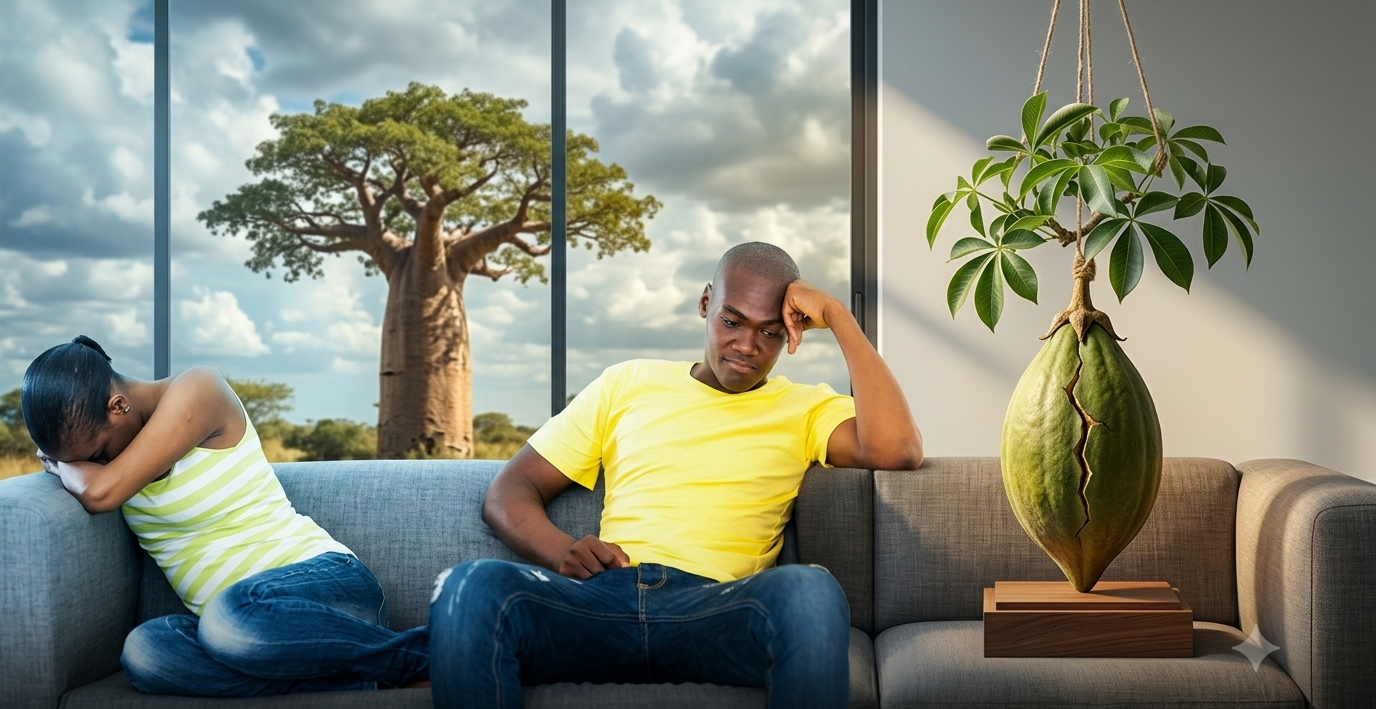
Can Baobab Leaves Help Protect Male Fertility from Toxic Chemicals?
What Science Reveals About a Popular African Superfood
When people think of the baobab tree, they often think of its nutritious fruit, cultural significance, or impressive size. But could the leaves of this remarkable African tree also help protect male reproductive health?
A recent scientific study explored whether Baobab leaves (Adansonia digitata) could help reduce damage to the testes caused by exposure to harmful chemicals.
The findings were both fascinating and promising.
Why Should We Care About Testicular Health?
The testes play a vital role in male reproductive health. They are responsible for:
- Producing sperm
- Producing testosterone
- Supporting fertility and reproductive function
When these functions are disrupted, fertility and overall reproductive health can be affected.
The Hidden Danger of Toxic Chemicals
Many chemicals found in industrial environments, polluted surroundings, and certain products can generate harmful molecules known as free radicals.
These free radicals can trigger oxidative stress, a condition that damages cells and tissues throughout the body, including the reproductive organs.
In this study, researchers used carbon tetrachloride (CCl₄), a chemical known to cause oxidative damage, to investigate how toxic substances affect the testes.
The Big Question
Researchers wanted to find out:
Can Baobab leaf extract help protect the testes from chemical-induced damage?
To answer this question, they conducted an experiment using adult male Wistar rats.
How Was the Study Conducted?
The animals were divided into four groups:
Group 1: Control Group
Received olive oil only.
Group 2: Toxicity Group
Received carbon tetrachloride (CCl₄), a chemical known to cause tissue damage.
Group 3: Baobab Group
Received Baobab leaf extract only.
Group 4: Recovery Group
Received CCl₄ first and was then treated with Baobab leaf extract.
Researchers then examined:
✅ Reproductive hormones
✅ Antioxidant activity
✅ Testicular tissue structure
What Happened After Exposure to CCl₄?
The results showed that animals exposed to CCl₄ experienced significant reproductive damage.
Researchers observed:
❌ Lower testosterone levels
❌ Reduced follicle-stimulating hormone (FSH)
❌ Reduced luteinizing hormone (LH)
❌ Decreased antioxidant protection
❌ Structural damage to the testes
These changes can negatively affect sperm production and fertility.
How Did Baobab Leaves Help?
The exciting part of the study came when researchers examined the animals treated with Baobab leaf extract.
They found that Baobab helped:
✅ Improve testosterone levels
✅ Support reproductive hormones
✅ Increase antioxidant activity
✅ Protect testicular tissue
✅ Reduce the harmful effects caused by the toxic chemical
In other words, the extract appeared to help the body defend itself against oxidative damage.
Why Are Antioxidants Important?
Think of antioxidants as the body’s natural defense team.
They help neutralize harmful free radicals before those molecules can damage cells and tissues.
The study showed that Baobab leaves may boost this protective system, helping to maintain healthier reproductive organs.
Did the Study Prove Baobab Cures Infertility?
Not exactly.
The research was conducted in laboratory animals, not humans. While the findings are promising, further studies are needed before making direct conclusions about human fertility treatments.
However, the study does suggest that Baobab leaves contain beneficial compounds that may help protect reproductive health.
Quick Poll
Before reading this article, did you know that environmental toxins could affect male fertility?
- Yes
- No
- I’m not sure
Share your answer in the comments!
Key Takeaways
Toxic Chemicals May:
❌ Damage reproductive tissues
❌ Reduce testosterone levels
❌ Increase oxidative stress
❌ Affect fertility
Baobab Leaves May:
✅ Support reproductive hormones
✅ Enhance antioxidant defenses
✅ Protect testicular tissue
✅ Reduce toxin-induced damage
Final Thoughts
Baobab (Adansonia digitata) has long been valued as a nutritious food source across Africa. This study adds to growing scientific evidence suggesting that its leaves may offer important health benefits beyond nutrition.
By helping to reduce oxidative stress and protect reproductive tissues, Baobab leaf extract demonstrated promising protective effects against chemically induced testicular damage.
While more human studies are needed, the research highlights the remarkable potential of natural plant-based remedies in supporting reproductive health and overall well-being.
What do you think?
Could traditional African plants hold the key to future health breakthroughs? Let us know your thoughts in the comments.
Leave A Comment