
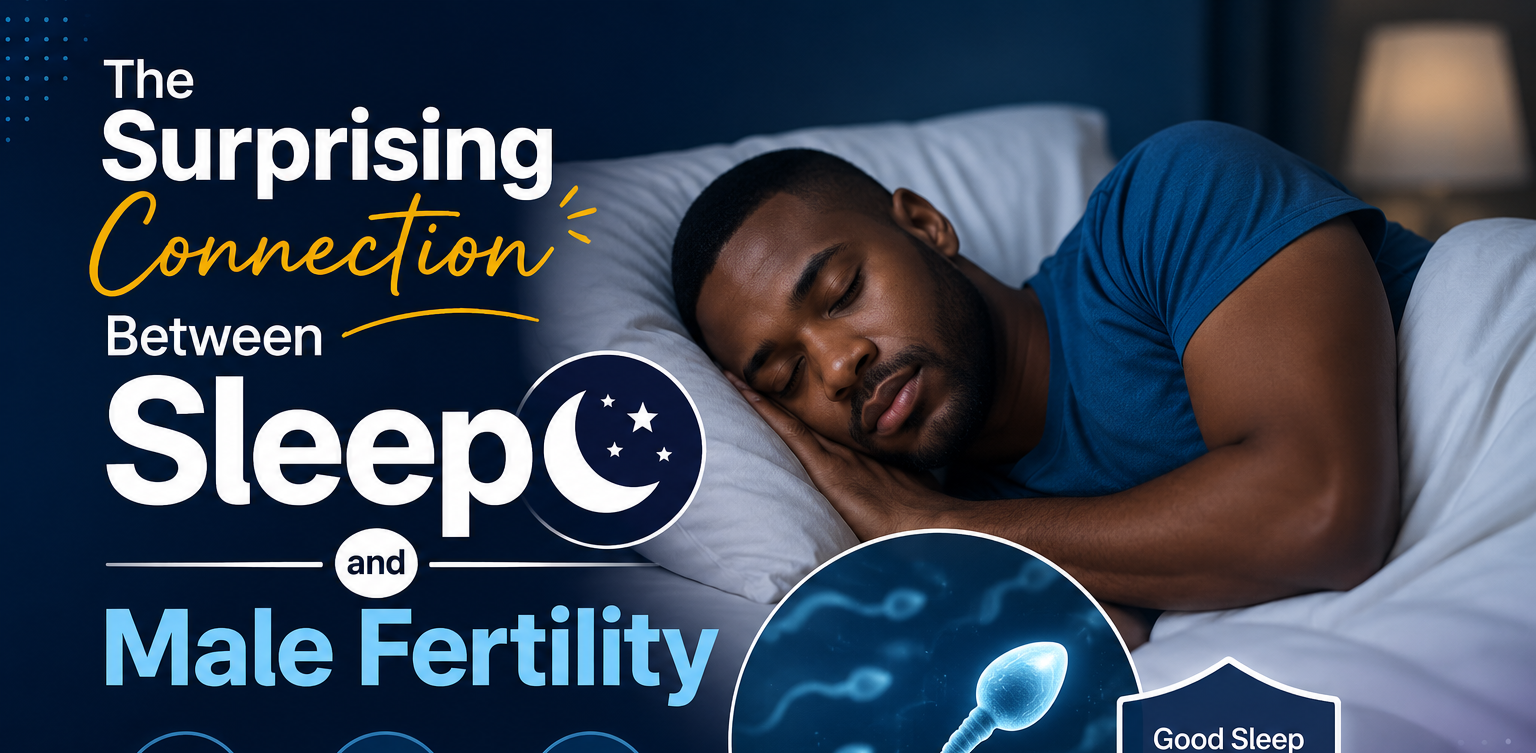
The Surprising Connection Between Sleep and Male Fertility
Most people know that a good night’s sleep helps improve mood, memory, and productivity. But did you know that getting enough quality sleep may also play an important role in male fertility?
Emerging scientific research suggests that sleep is more than just a time for the body to rest—it’s a critical period during which important hormones are regulated, damaged tissues are repaired, and reproductive health is maintained. When sleep is consistently disrupted, these essential processes can be affected, potentially impacting a man’s ability to reproduce.
Why Sleep Matters for Reproductive Health
Sleep influences nearly every system in the body, including the endocrine (hormonal) system. During deep sleep, the body releases hormones that regulate growth, metabolism, and reproduction.
One of the most important of these hormones is testosterone. This hormone is essential for:
- Sperm production
- Sexual desire (libido)
- Muscle development
- Bone strength
- Overall male reproductive function
Research has shown that inadequate or poor-quality sleep can reduce testosterone levels, leading to changes in reproductive health over time.
What Happens When You Don’t Get Enough Sleep?
Sleep deprivation places the body under physical stress.
This stress increases the production of harmful molecules known as reactive oxygen species (ROS), which can damage healthy cells through a process called oxidative stress.
In the testes, oxidative stress may:
- Damage sperm-producing cells
- Reduce sperm quality and movement
- Affect sperm count
- Alter hormone production
- Increase the risk of infertility
Although occasional sleep loss is unlikely to cause lasting damage, chronic sleep deprivation may have more significant effects on reproductive health.
What Did Scientific Research Discover?
In an experimental study using Sprague-Dawley rats, researchers investigated how prolonged paradoxical (REM) sleep deprivation affected testicular function.
The study also examined whether two antioxidant compounds—Zinc and D-Ribose-L-Cysteine (DRLC)—could help protect the reproductive system from sleep-related damage.
The findings suggested that sleep deprivation negatively affected testicular function, while treatment with Zinc and D-Ribose-L-Cysteine appeared to reduce some of these harmful effects by supporting the body’s antioxidant defense system.
Although these findings were obtained from animal models, they provide valuable insights that may guide future research into male reproductive health in humans.
Why Zinc Is Important
Zinc is an essential mineral involved in hundreds of biological processes.
For male reproductive health, zinc helps to:
- Support testosterone production
- Promote healthy sperm development
- Protect reproductive tissues from oxidative damage
- Strengthen the immune system
- Aid normal cell growth and repair
Foods rich in zinc include:
- Oysters
- Beef
- Chicken
- Pumpkin seeds
- Beans
- Cashew nuts
- Whole grains
Maintaining adequate zinc intake is an important part of overall health, although supplements should only be taken under professional guidance.
What Is D-Ribose-L-Cysteine?
D-Ribose-L-Cysteine (DRLC) is a compound that helps increase the body’s production of glutathione, one of the body’s most powerful natural antioxidants.
Glutathione protects cells by neutralizing harmful free radicals and reducing oxidative stress.
By strengthening antioxidant defenses, DRLC may help protect sensitive organs—including the testes—from damage caused by prolonged physiological stress such as sleep deprivation.
Simple Ways to Protect Your Reproductive Health
Improving sleep habits can benefit both your overall well-being and reproductive health.
Here are a few practical tips:
- Aim for 7–9 hours of quality sleep each night.
- Maintain a regular bedtime and wake-up schedule.
- Reduce screen time before bed.
- Limit caffeine late in the day.
- Exercise regularly.
- Eat a balanced diet rich in fruits, vegetables, and essential minerals.
- Manage stress through relaxation techniques or physical activity.
Looking Ahead
While more human studies are needed to fully understand the relationship between sleep deprivation and male fertility, current evidence strongly suggests that healthy sleep should be considered an important part of reproductive wellness.
Research also highlights the potential role of antioxidants such as zinc and D-Ribose-L-Cysteine in protecting reproductive tissues from oxidative stress. As scientists continue to explore these relationships, one message remains clear: taking care of your sleep is another way of taking care of your long-term health.
Final Thoughts
Sleep is often overlooked when discussing fertility, yet it plays a fundamental role in maintaining healthy hormone levels, protecting reproductive organs, and supporting sperm production.
If you’re trying to optimize your reproductive health, don’t underestimate the power of a good night’s sleep. Combined with proper nutrition, regular exercise, and a healthy lifestyle, quality sleep may be one of the simplest—and most effective—steps you can take toward better overall health and fertility.
Leave A Comment